
Mortgage Rate Locks Explained: How to Protect Your Interest Rate in a Volatile Market
In the homebuying or refinancing process, few decisions carry as much financial weight as when—and whether—to lock in your mortgage interest rate. With rates fluctuating based on economic data, Federal Reserve actions, inflation trends, and investor sentiment, a well-timed rate lock can save you thousands over the life of your loan. In 2026, as rates remain sensitive to ongoing volatility, understanding rate locks is essential for buyers in places like Fuquay-Varina, North Carolina, where closing timelines and market conditions can shift quickly.
What Is a Mortgage Rate Lock?
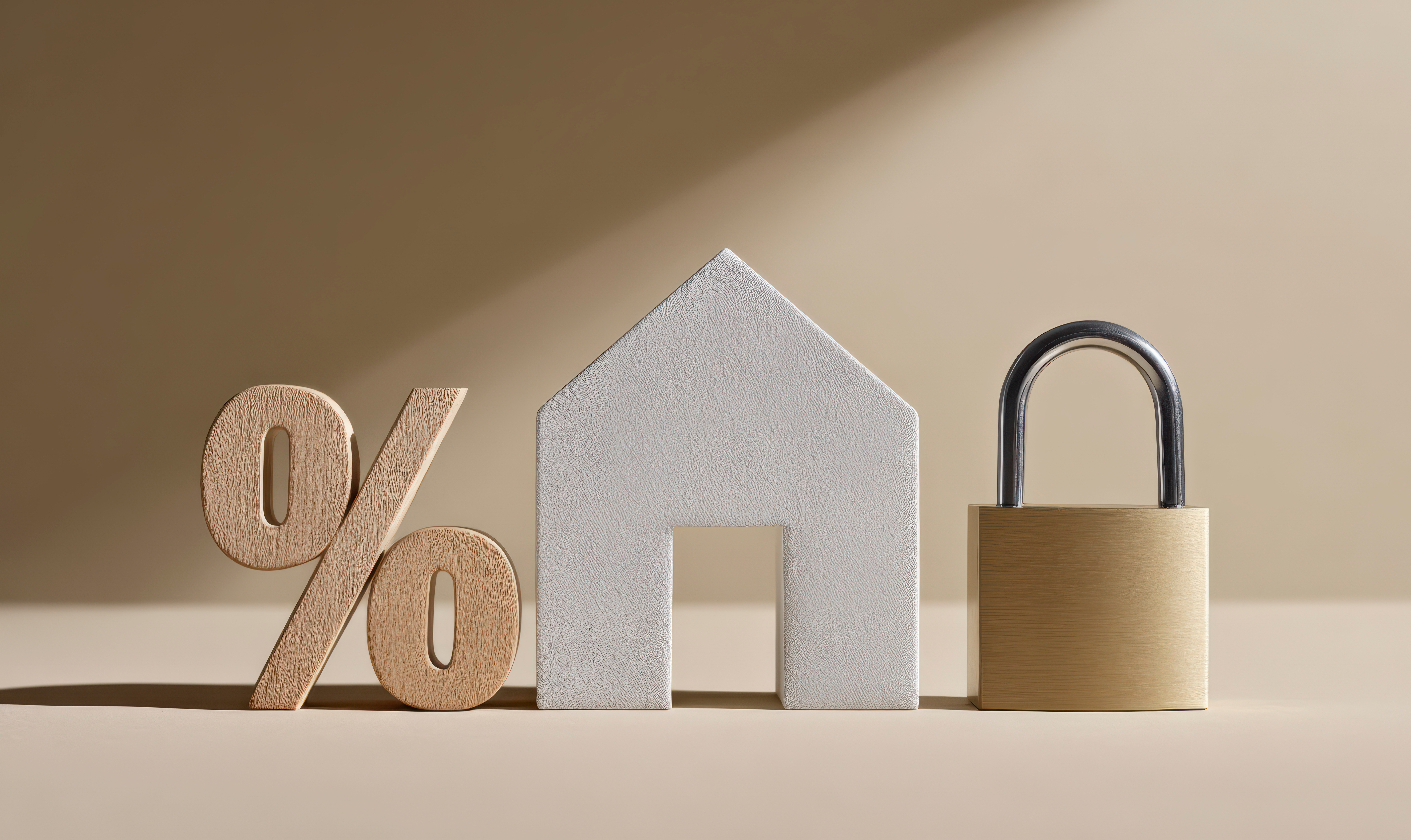
A mortgage rate lock (also called a rate commitment or rate protection) is an agreement between you and your lender that guarantees a specific interest rate—and often other loan terms—for a set period, typically while your loan moves through underwriting, appraisal, and closing. Once locked, the lender assumes the risk of market rate increases during that window, ensuring you get the agreed-upon rate at closing (as long as you meet all conditions and close on time).
Without a lock, your rate remains “floating” and can change daily (or even hourly) based on market movements. Locking removes that uncertainty for the lock period.
How Rate Locks Work
The process usually starts after:
- You’ve applied for the loan.
- Received pre-approval (or better, a conditional commitment).
- Signed a purchase contract (for purchases) or decided to proceed (for refinances).
Your loan officer quotes current rates, and you decide to lock. The lock period begins immediately, covering the time needed for final underwriting and closing—most commonly 30, 45, or 60 days, though some lenders offer shorter (15–21 days) or longer options (up to 90–360 days for new construction or delayed closings).
Key elements:
- Lock Duration — Shorter locks often come with lower (or no) fees since the lender assumes less risk. Longer locks may cost more.
- Float-Down Options — Some lenders include (or offer for a fee) a one-time float-down, allowing you to switch to a lower rate if market rates drop by a set amount (e.g., 0.25%–0.50%). This adds flexibility but usually involves an upfront cost or restrictions.
- Extensions — If closing delays (common due to appraisals, inspections, or title issues), you can often extend the lock for a fee (flat amount or percentage of loan). Lender-caused delays may be free.
- Conditions — The lock can be voided or adjusted if your application changes significantly (e.g., credit score drops, new debt, job change, or appraisal issues).
Benefits of Locking Your Rate
- Protection from Rate Spikes — If rates rise after you lock (as they often do quickly on bad economic news), you’re shielded—your monthly payment and total interest stay predictable.
- Budget Certainty — Knowing your exact rate helps with accurate planning, especially for PITI (principal, interest, taxes, insurance) and avoiding surprises that could derail affordability.
- Peace of Mind — In volatile 2026 markets, where rates can jump on inflation reports or Fed signals, locking provides stability during what can be a stressful process.
- Preserves Buying Power — A locked lower rate means you can afford the same home (or more) without needing extra down payment or points to offset higher rates.
Risks and Drawbacks
- Missed Opportunities if Rates Drop — You’re committed to the locked rate unless you have a float-down (which may cost extra or be limited).
- Potential Fees — Lock fees (sometimes rolled into the rate), float-down charges, or extension costs can add up.
- Timeline Pressure — If closing takes longer than expected, you might pay for extensions or risk losing the lock.
- Opportunity Cost — Locking too early in a falling-rate environment means you might pay more than if you’d floated.
When Should You Lock Your Rate?
Timing depends on your situation and market outlook:
- Lock Early if rates are low or trending upward, you have a solid pre-approval, and closing is imminent. Early locks (some programs allow post-pre-approval) protect against rises during house hunting or processing.
- Float (Delay Locking) if rates appear to be falling, you have a longer timeline, or you’re comfortable with risk. Monitor daily—many borrowers lock once they have a contract and a favorable rate.
- Consider Float-Down for the best of both worlds: protection up, chance to capture drops down.
In 2026’s environment—where negative news drives fast increases but positive shifts are slower—experts often lean toward locking for protection, especially with strong borrower profiles (good credit, low DTI) that already secure competitive rates.
Tips for Making the Most of a Rate Lock
- Shop Lenders — Compare not just rates but lock policies, fees, float-down options, and extension terms.
- Discuss with Your Loan Officer — Get personalized advice on current trends, your timeline, and whether to lock now.
- Understand the Fine Print — Ask about void conditions, costs, and what happens if delays occur.
- Prepare Thoroughly — Strong credit, stable finances, and quick document submission help avoid issues that could void a lock.
- Monitor the Market — Use rate alerts or news to time your decision, but don’t try to perfectly predict—focus on risk management.
A rate lock isn’t about gambling on the market—it’s about controlling what you can in an unpredictable process. For many buyers and refinancers, especially in competitive areas like Wake County, securing a good rate early brings more certainty than chasing the absolute lowest possible dip.
If you’re house hunting or thinking refinance, talk to a lender about your options. A smart rate lock strategy could mean lower payments and more confidence as you move toward closing!
John Jackson, Producing Branch Manager at Scout Advisors – Fuquay Varina’s trusted mortgage advisor