


AI Summary:
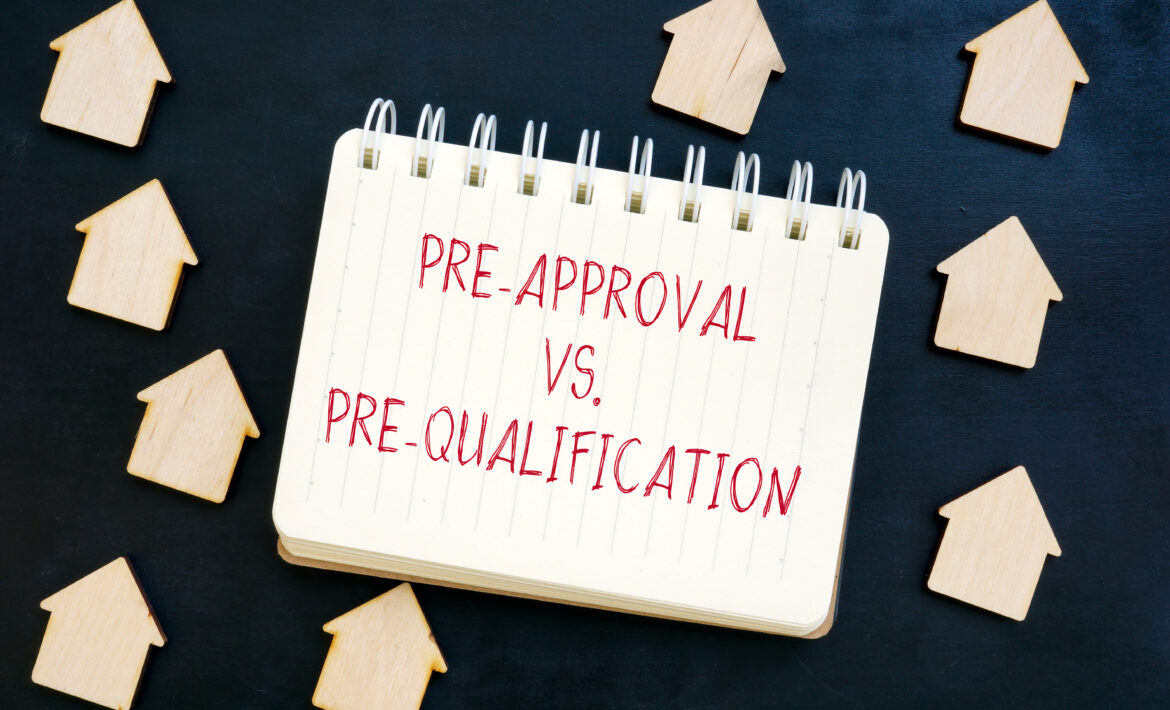
In today’s competitive Triangle area homebuying market, distinguishing between mortgage pre-qualification and pre-approval is crucial: pre-qualification offers only a quick, unverified estimate based on self-reported info with no hard credit check, while pre-approval provides a conditional commitment letter after a thorough review of verified documents, credit, and finances. Getting pre-approved serves as your secret weapon by revealing your true, realistic budget, enabling stronger and more competitive offers that sellers prioritize, and often speeding up the closing process. Ultimately, while pre-qualification suits casual early browsing, pre-approval transforms hopeful buyers into serious contenders ready to navigate North Carolina’s active real estate landscape with confidence and an edge.
Why getting preapproved is your secret weapon to buy a house in the Triangle
If you’re house hunting in Fuquay-Varina or anywhere in the Triangle area of North Carolina, you’ve likely heard the terms pre-qualification and pre-approval tossed around by real estate agents and lenders. While they sound similar, they represent very different steps in the mortgage process—and understanding the distinction can make or break your homebuying experience.
In a market where good homes can receive multiple offers quickly, pre-approval stands out as a powerful tool that signals seriousness, strengthens your offers, and helps you shop confidently within your true budget. Pre-qualification? It’s more of a quick glance than a solid commitment.
What Is Mortgage Pre-Qualification?
Pre-qualification is an informal, preliminary estimate of how much you might be able to borrow. Lenders base it on self-reported information you provide—such as your income, employment status, approximate credit score, debts, and assets—often during a short phone call or online questionnaire.
- No hard credit check is typically required (so it won’t impact your credit score).
- No supporting documents (like pay stubs, bank statements, or tax returns) are needed.
- You get a rough idea of loan amount, possible interest rate, and monthly payment.
It’s fast and low-commitment—great for early-stage curiosity, like “Can I even afford to buy?” or testing affordability calculators. However, because nothing is verified, the estimate can change dramatically (or disappear) once a lender digs deeper. Many sellers and agents view pre-qualification letters as weak or unreliable for serious offers.
What Is Mortgage Pre-Approval?
Pre-approval is a more formal, in-depth step. A lender reviews your actual financials and issues a conditional commitment letter stating they’re willing to lend you up to a specific amount, based on verified information.
Key elements of the process:
- Hard credit pull (a temporary dip in your score, usually small and short-lived).
- Submission of documentation: recent pay stubs, W-2s or tax returns (last 2 years), bank/asset statements (last 2 months), list of debts, proof of identity, employment verification, and sometimes more (e.g., for self-employed buyers or those with rental income).
- Review of credit score, debt-to-income (DTI) ratio (ideally under 43–50%), employment history, and reserves.
- The result: A personalized pre-approval letter detailing the maximum loan amount, estimated interest rate, loan type (conventional, FHA, VA, etc.), term, and monthly payment (principal, interest, taxes, insurance).
This letter typically lasts 60–90 days (some up to 3 months), giving you time to house hunt. If your situation changes (new debt, job switch, etc.), you may need to renew or reapply.
Pre-approval isn’t a final guarantee—final underwriting, appraisal, and home-specific details come later—but it’s far more reliable than pre-qualification.
Key Differences at a Glance
- Depth of Review — Pre-qualification: Self-reported info only. Pre-approval: Verified documents + credit check.
- Credit Impact — Pre-qualification: Usually none. Pre-approval: Hard inquiry (but multiple within ~45 days often count as one for scoring).
- Reliability — Pre-qualification: Rough estimate, often inaccurate. Pre-approval: Conditional commitment, much closer to final approval.
- Use in Offers — Pre-qualification: Rarely accepted by sellers/agents. Pre-approval: Frequently required; makes your offer stand out.
- Time & Effort — Pre-qualification: Minutes. Pre-approval: 1–7 days (often faster with online applications).
The Top Benefits of Getting Pre-Approved
- Know Your Real Budget — Avoid falling in love with homes you can’t afford or wasting time on properties outside your range. Pre-approval gives a verified borrowing limit, helping you focus searches effectively.
- Stronger, More Competitive Offers — In competitive markets like Wake County, sellers prioritize pre-approved buyers. The letter proves you’re serious and financing-ready—many agents won’t even show homes without one, and offers without it risk rejection.
- Faster Closing Process — Much of the underwriting groundwork is done early, reducing delays once you have a contract. This can give you an edge in bidding wars.
- Spot Issues Early — Lenders may uncover credit problems, high DTI, or documentation gaps before you make an offer. You have time to fix them (e.g., pay down debt, dispute errors, or improve your score).
- Better Negotiation Power — With pre-approval, you can confidently negotiate price, contingencies, or repairs, knowing your financing is solid.
- Peace of Mind — Plan monthly expenses accurately, including PITI (principal, interest, taxes, insurance). It reduces stress and surprises later.
Experts and consumer advocates, including the CFPB, emphasize that pre-approval demonstrates commitment and helps you shop smarter—without locking you into one lender. Shop multiple lenders for the best terms (rates and fees vary), and compare Loan Estimates once you have offers.
When to Get Pre-Approved (and Tips to Get Started)
Start as soon as you’re seriously house hunting—ideally before touring homes or working with an agent. Gather documents ahead of time to speed things up. Many lenders offer quick online applications, with responses in hours or days.
If denied, ask why (common culprits: credit issues or high debt) and explore options like improving your score or FHA programs with more flexibility.
Pre-qualification might be fine for casual browsing, but when you’re ready to make moves in North Carolina’s active market, pre-approval is the real game-changer. It turns you from a hopeful buyer into a serious contender.
Ready to take the next step? Reach out to your Scout Advisors mortgage expert for your pre-approval—your future home (and a smoother path to closing) could depend on it!